Baking Tarot Card PNG Mental Bake Down: What to Know Before You Download and Print
If you have come across the phrase Baking Tarot Card PNG Mental Bake Down while searching for creative design assets, you are likely looking for something playful, unconventional, and visually striking. These digital designs combine the mystique of tarot imagery with the cozy, hands-on world of baking, and they have become a surprisingly popular choice for print-on-demand products and sublimation projects. But before you hit download and start printing, there are a few things worth understanding about how these files work, what you can actually do with them, and where people often trip up.
Let us walk through the common pitfalls, the overlooked details, and the smarter ways to use Baking Tarot Card PNG Mental Bake Down designs so you get the best results without wasting time, money, or creative energy.
What Exactly Is a Baking Tarot Card PNG Mental Bake Down Design?
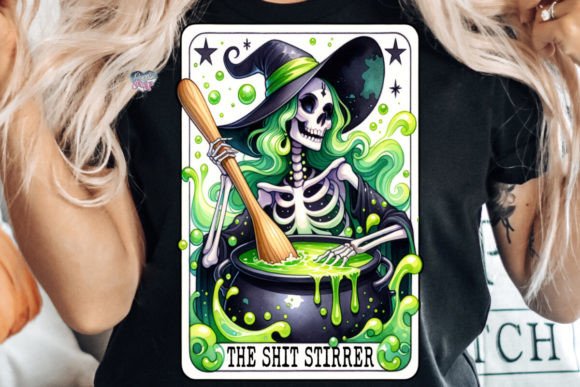
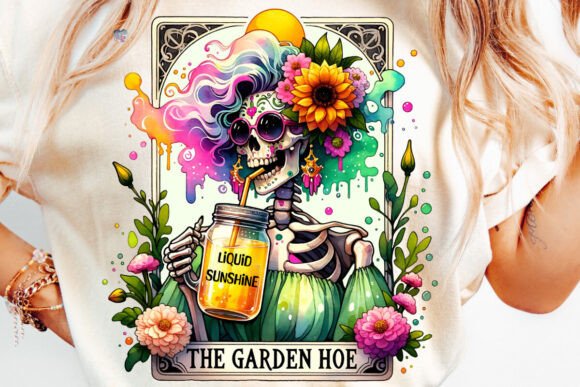
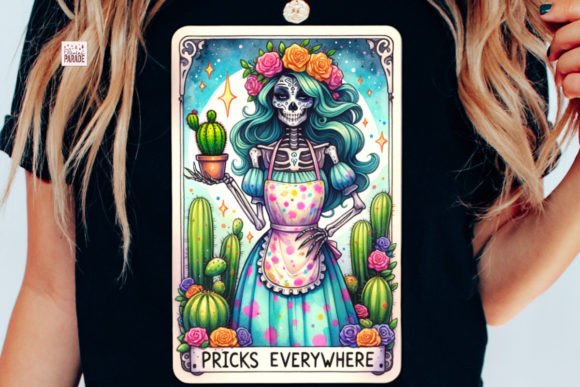
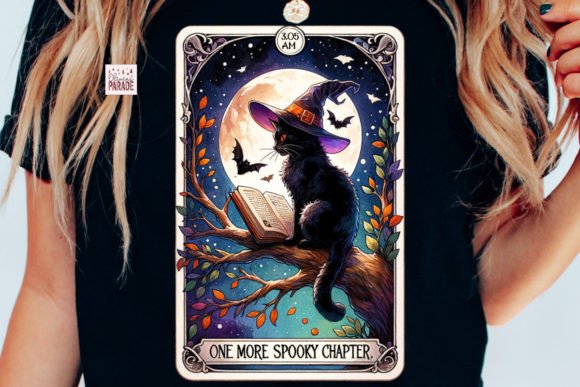
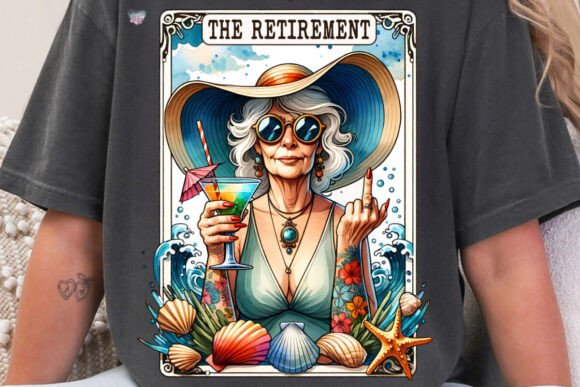
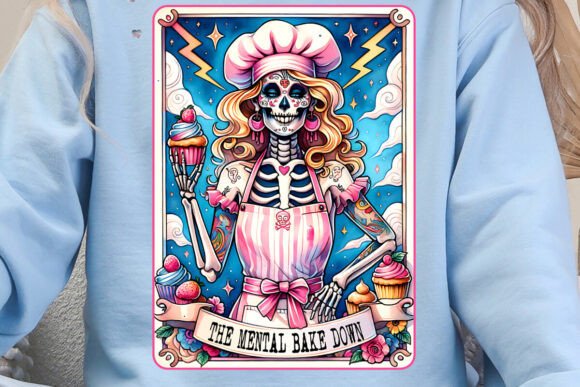
At its core, this is a digital graphic file that mixes tarot card aesthetics with baking themes. You might see a card labeled The Flour Magician or The Sugar Seer, with illustrated elements like rolling pins, mixing bowls, ovens, or measuring cups arranged in a tarot-style layout. The phrase Mental Bake Down adds a layer of tongue-in-cheek humor, suggesting that baking can be both a soothing ritual and a slightly chaotic mental challenge.
These designs are sold as PNG files, not fonts or editable templates. That means you get a ready-to-use image with a transparent background, typically at a resolution suitable for printing. Because it is a digital download, you receive the file instantly once your purchase is complete, which is convenient for anyone who wants to start a project without waiting for shipping.
One of the Most Common Misunderstandings: The License
The biggest mistake people make with Baking Tarot Card PNG Mental Bake Down files is misunderstanding the usage terms. Many sellers clearly state: DO NOT resell this file. Physical or POD only. This is not a suggestion. It is a licensing restriction.
Here is what that means in plain terms:
- You can use the design to create a physical product, such as a mug, a shirt, a tote bag, or a piece of wall art.
- You can sell that physical product to customers through print-on-demand services or at craft fairs.
- You cannot take the PNG file and resell it as a digital download on Etsy or any other platform.
- You cannot bundle the raw PNG file with other digital assets and sell that bundle.
People get caught by this more often than you might think. Someone buys the design, opens an Etsy shop, and lists the PNG file itself as a product. That is a direct violation of the license, and sellers regularly check platforms for unauthorized reselling. If you get caught, you risk having your shop reported, your listings removed, and potentially losing your account. The easy fix is to read the license carefully before you purchase and only use the file for physical items.
PNG Is Not a Font, and That Matters
Another point of confusion is the file type itself. A PNG is a raster image, not a font, and certainly not a vector file. You cannot type with it, change individual letters, or resize it infinitely without losing quality. If you are used to working with fonts or SVG files, switching to a PNG requires a shift in workflow.
Here is a realistic example: you want to put a Baking Tarot Card PNG Mental Bake Down design on a sweatshirt. You download the file, open your design software, and place the PNG onto a mockup. Everything looks great until you scale the image up and the edges start to look pixelated or blurry. That is because PNG files have a fixed resolution. When you stretch them beyond their original size, the pixels become visible.
To avoid this, check the resolution of the PNG before you design anything. Most commercial-quality PNGs are at least 300 DPI (dots per inch) at the intended print size. If you are printing on a large item, such as a full-back hoodie design, make sure the PNG dimensions are large enough to cover that area without interpolation problems. If the file is too small, consider using it for smaller products like mugs or coasters instead.
Ignoring the Transparent Background Assumption
PNGs typically have transparent backgrounds, which is great for layering designs onto different colored products. But not every PNG is truly transparent. Some sellers leave a white or colored background in the file, even if it is labeled as a PNG. You might download a Baking Tarot Card PNG Mental Bake Down design, place it on a dark t-shirt mockup, and see an ugly white box around the artwork.
Before you buy, look for preview images that show the design on a dark or patterned background. This confirms the file has a genuine transparent area. If you already purchased a file with an unwanted background, you can remove it using photo editing software, but that is extra work you did not plan for. It is easier to check the previews first.
Choosing the Wrong Product for the Design Style
Because these designs are so detailed and visually interesting, people sometimes try to put them on products where the detail gets lost. A tarot card illustration with fine lines, small text, and subtle shading will not look good on a low-resolution mug print or a tiny sticker. The details blur together, and the final product looks muddy or illegible.
Think about what the design is actually saying. A Baking Tarot Card PNG Mental Bake Down design is meant to be seen and read. That means it deserves a canvas where the details remain crisp. Here are some product matches that work well:
- Standard-sized mugs – the design wraps around a cylinder, so keep it readable.
- T-shirts and sweatshirts – center chest or full back both work if the file is high-res.
- Wall art prints – tarot imagery naturally suits a framed or unframed print.
- Tote bags – a nice flat surface for the full card design.
Avoid putting these designs on very small items like keychains or charms unless the PNG is heavily simplified. You want the joke and the imagery to land, not to look like an inscrutable smudge.
Sublimation vs. Direct-to-Garment: Know Your Method
The product description for these PNG files often mentions that they work with sublimation printing and direct-to-garment (DTG) methods. That is true, but only if you prepare the file correctly for each process.
For sublimation, you typically need to mirror (flip horizontally) the image before printing onto transfer paper. If you forget, your design will appear backwards on the final product. For DTG, you do not need to mirror the image, but you do need to ensure the PNG is placed on a white or very light base layer for the colors to pop, unless you use a DTG printer that handles dark garments well.
One mistake people make is assuming the PNG is ready to go for any method straight out of the zip folder. Take a moment to read the instructions provided by the seller. Some designers include a helpful guide about mirroring, color profiles, and recommended print sizes. Skimming that text saves you from ruining a shirt or a batch of mugs.
Overlooking the Installed Software Requirements
A Baking Tarot Card PNG Mental Bake Down design is delivered as a ZIP folder containing the PNG file. That sounds simple, but if you are working on a phone or tablet, you may struggle to extract the file or open it in a fully featured design app. Many users assume they can open the PNG directly on their phone and use a basic photo editor to size it for a shirt mockup. That usually ends poorly, because mobile editors lack proper DPI handling and layer support.
For best results, use a desktop or laptop computer with dedicated design software. Free options like GIMP or Canva (with a paid plan for transparency) work, but paid software like Adobe Photoshop or Affinity Designer gives you more control over resolution, color correction, and sizing. If you are just getting started, do not let the software intimidate you. You only need to learn a few basics: how to open the PNG, how to scale it proportionally, and how to place it onto a product template.
Assuming All Baking Tarot Card PNGs Are the Same Quality
Not all designers work at the same level. Some files are hand-drawn and scanned at high resolution. Others are quickly assembled from low-quality clip art. A cheap file might look fine on a screen but fall apart when printed. You can usually spot the difference by zooming into the preview image. If you see jagged edges, inconsistent line weights, or pixelated text, move on. Your finished product will only be as good as the source file.
Look for sellers who show close-up views of the design details and who specify the resolution and file dimensions. A quality Baking Tarot Card PNG Mental Bake Down file should have clean lines, readable text, and colors that will hold up across different printing methods. Paying a little more for a well-made file is almost always worth it when you consider the cost of wasted blanks and wasted time.
Skimping on Color Matching for Dark Garments
This is one of the most overlooked technical details. If you plan to print a Baking Tarot Card PNG Mental Bake Down design on a dark-colored shirt using DTG or sublimation, the colors in the PNG might not behave the way you expect. Dark garments often require a white underbase layer to make the design colors appear vibrant. Without it, the fabric color shows through the transparent areas and shifts the entire look of the design.
Before you commit to a dark product, ask your print provider whether they apply a white underbase. If they do not, choose a light or white garment, or choose a design that works with a transparent background over dark fabric. Some PNG designs are specifically created with an opaque backing, so they sit on top of the fabric color. Check the product listing for details on whether the design is intended for light or dark substrates.
Rushing the Mockup Phase
When you are excited about a new design, it is tempting to slap the PNG onto a mockup and list the product immediately. But a sloppy mockup hurts your sales. If the sizing is wrong, the design is crooked, or the resolution mismatch creates a blurry preview, customers will click away. Take the extra ten minutes to align the Baking Tarot Card PNG Mental Bake Down design properly within the product template. Make sure the aspect ratio matches the printable area, and keep the design centered or aligned according to the tarot card framing.
Also, check that the mockup itself looks realistic. A flat, low-quality mockup does not communicate the value of your product. Use a high-quality blank product image from your print provider or a reputable mockup generator. The design itself is charming and clever, so give it the presentation it deserves.
Ignoring the Humor Factor
Part of the appeal of a Baking Tarot Card PNG Mental Bake Down design is its playful, slightly self-deprecating humor. It speaks to people who love baking but also find it stressful or funny. If you treat the design too seriously in your product listings, you miss the point. The people searching for this style are looking for something that makes them smile or nod in recognition. Lean into that tone in your product titles and descriptions. A joke about burning cookies or losing a whisk is part of the experience.
At the same time, respect the design. It is not just a joke; it is also artwork. The combination of tarot symbolism and baking references requires a certain visual literacy. Your customers are likely adults who appreciate both the humor and the craftsmanship. Price your products accordingly, and do not undersell the uniqueness of the design.
What to Check Before Your First Order
Before you add a Baking Tarot Card PNG Mental Bake Down file to your cart, run through a quick checklist:
- License terms – Are you allowed to use it for physical products and POD? Is reselling the digital file prohibited?
- Resolution and size – Is the PNG at least 300 DPI at the size you want to print?
- Background transparency – Does the design have a genuine transparent background or a solid one?
- Color format – Is it RGB (for screen) or CMYK (for print)? Most digital files are RGB, which works for sublimation, but check if your print provider prefers CMYK.
- Actual previews – Have you seen the design on a mockup that shows how it looks in real use?
- Seller reputation – Are the reviews positive? Do other buyers show photos of their finished products?
Taking five minutes to verify these details saves you from a whole lot of frustration later. And if you are ever unsure about how to use the file, reach out to the seller before you purchase. Most designers are happy to clarify their terms and offer advice on the best printing methods. They want you to succeed with their design, because that means you will come back for more.
A Baking Tarot Card PNG Mental Bake Down design is a creative, conversation-starting asset for anyone selling baking-themed or novelty print-on-demand products. Treat it with the same care you would any other printable artwork, respect the licensing, and match it to the right products and printing methods. Do that, and you will have a design that earns its place in your shop and delights your customers every time.